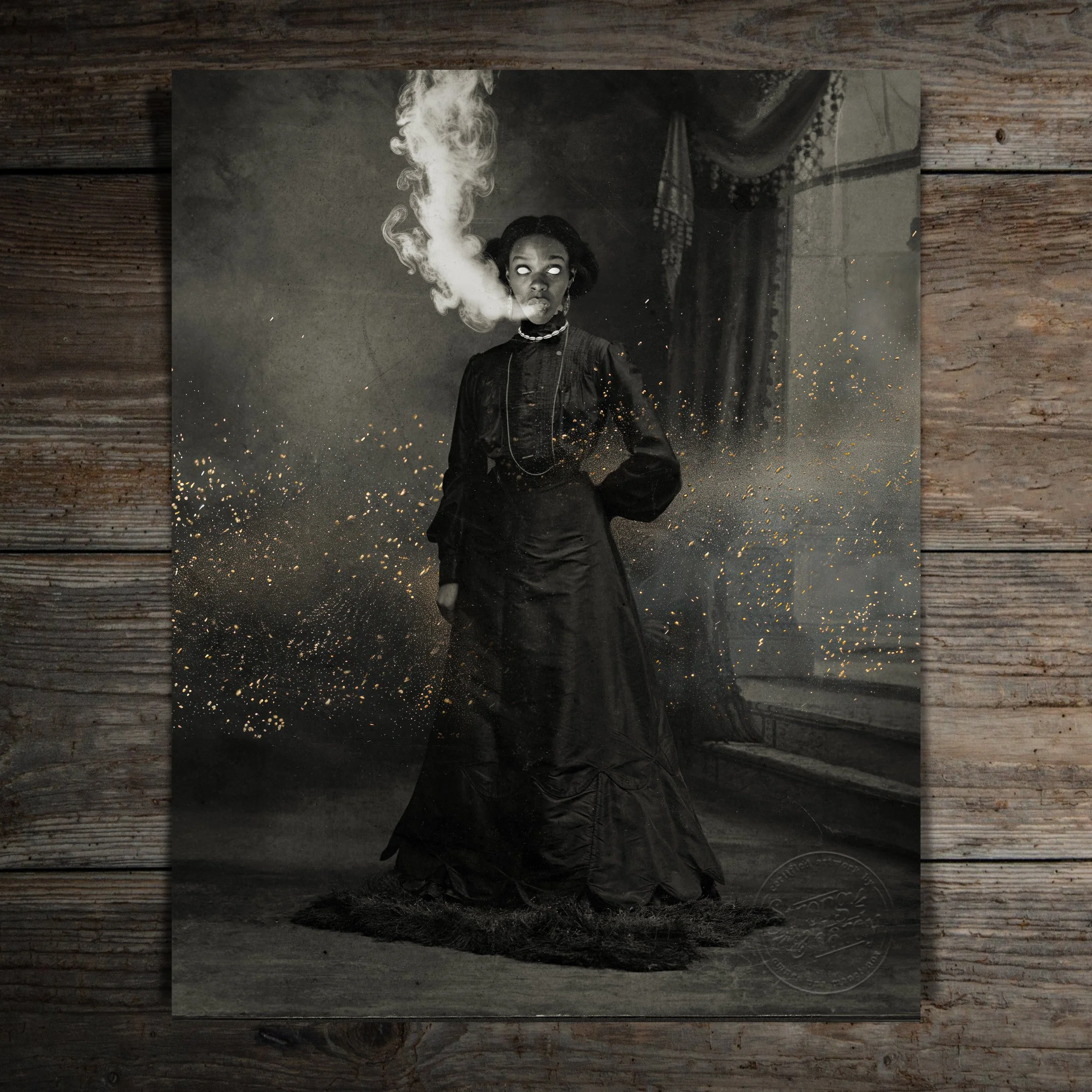
The Evacuation of Chwal Ti-Marie
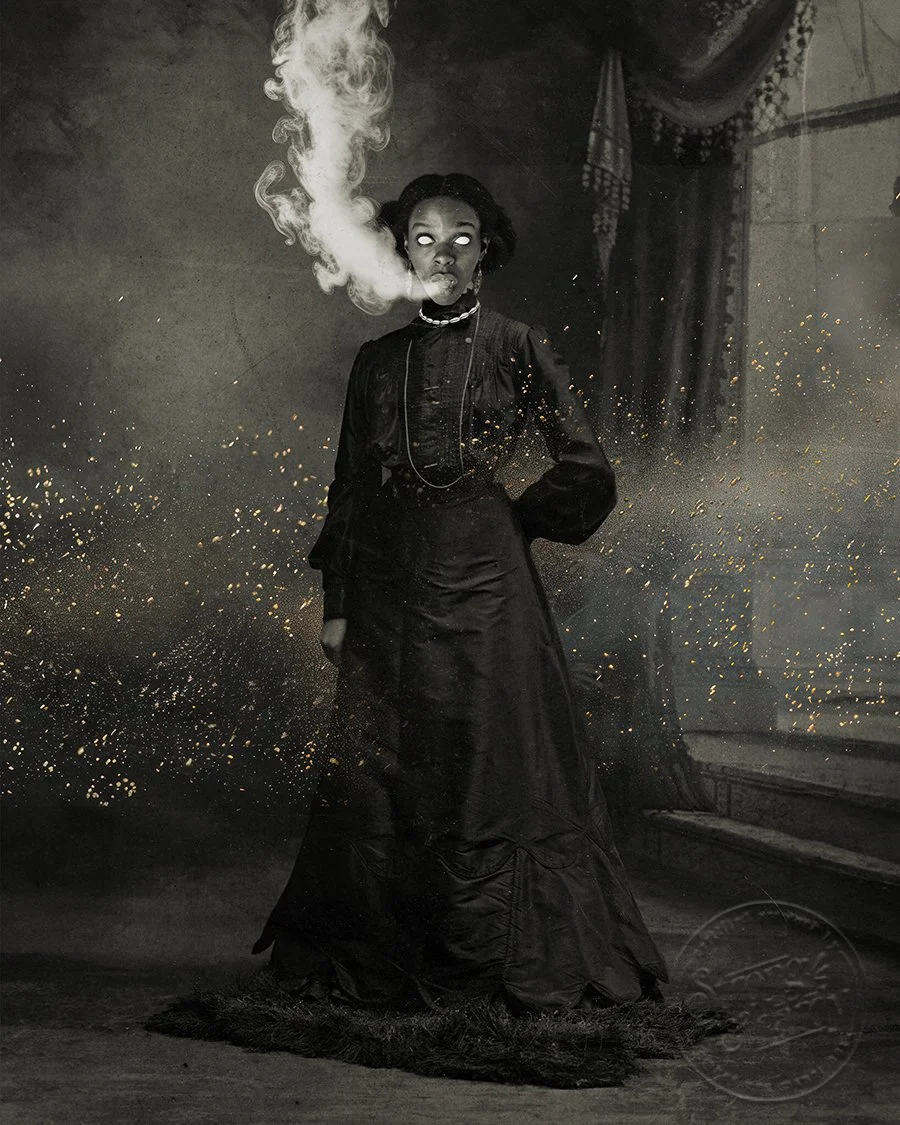
The Evacuation of Chwal Ti-Marie by Rebecca Tillett, Strong and Hardy
The Evacuation of
Chwal Ti-Marie
BY REBECCA TILLETT
The Ti Bon Anj departs Chwal Ti Marie. The spirits have come to ride. Corpses, bones, graves and death, laughter, sex, dancing, fertility and life. She’s standing at a threshold. This shall be a sacred clearing of the vessel. Bon Dieu. She is a punched tin lantern, an incandescent gas mantle. She is an invitation to the Iwa Divine; light and love incarnate at the boundary between life and death. She is a conduit to the spirits of transformation.
You will die.
We all will.
Let’s have a laugh.
Bondye Bon
At the turn of the 20th century, Voodoo (or Vodou) remained an important but increasingly private spiritual tradition in the American South, particularly in New Orleans. Rooted in West and Central African traditions and shaped by Catholic and Caribbean influences, Louisiana Voodoo centered on relationships with spirits, ancestors, nature, and community. By the early 1900s, discrimination, legal suppression, and public misunderstanding had pushed much of its practice out of public view, while many of its traditions continued in less visible forms.
The Evacuation of Chwal Ti-Marie
Portrait of a young woman in long black dress, standing by George W. Killian. Photograph. 1900
Woman with a shocked facial expression by unknown. Photograph. 2020